
Interviews
29 May 2026
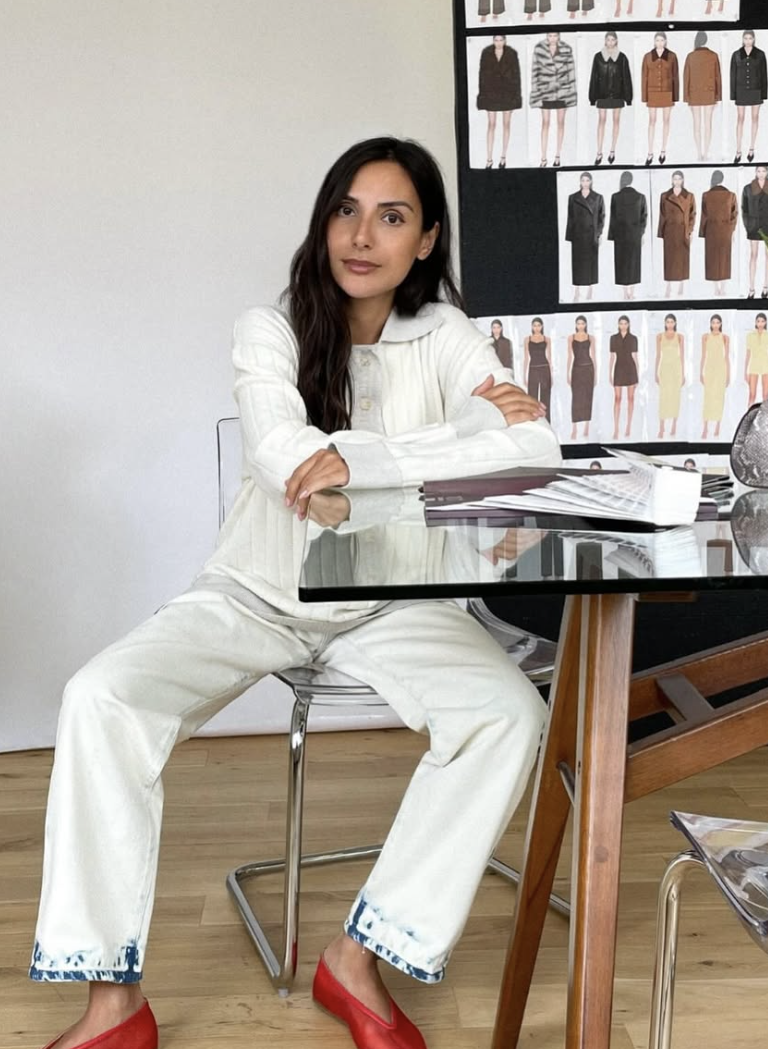
Naza Yousefi is one of those designers who understood early on that leather goods are never just accessories. Born in Iran and arriving in London in the late 1990s, she honed her craft at the studios of Christopher Kane and Richard Nicoll before launching Yuzefi, a brand that reflects her own personality: sensual, slightly irreverent, and never quite like the others.
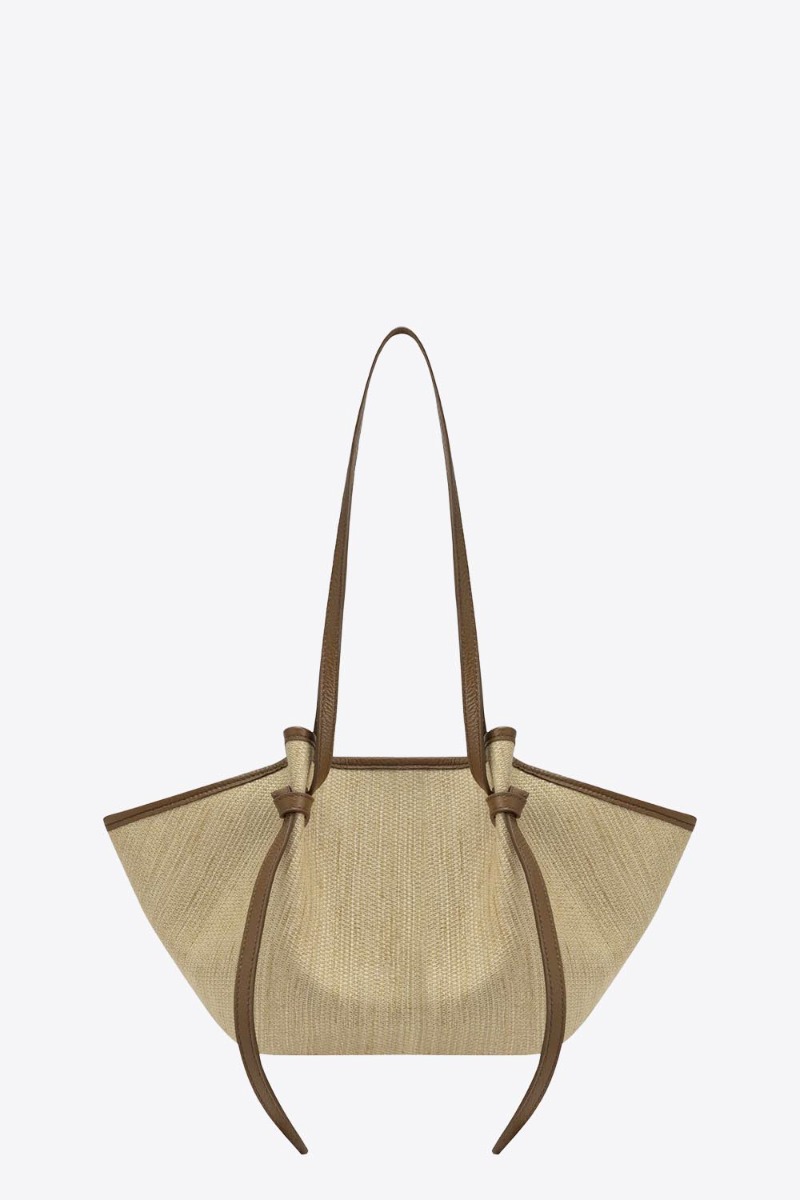
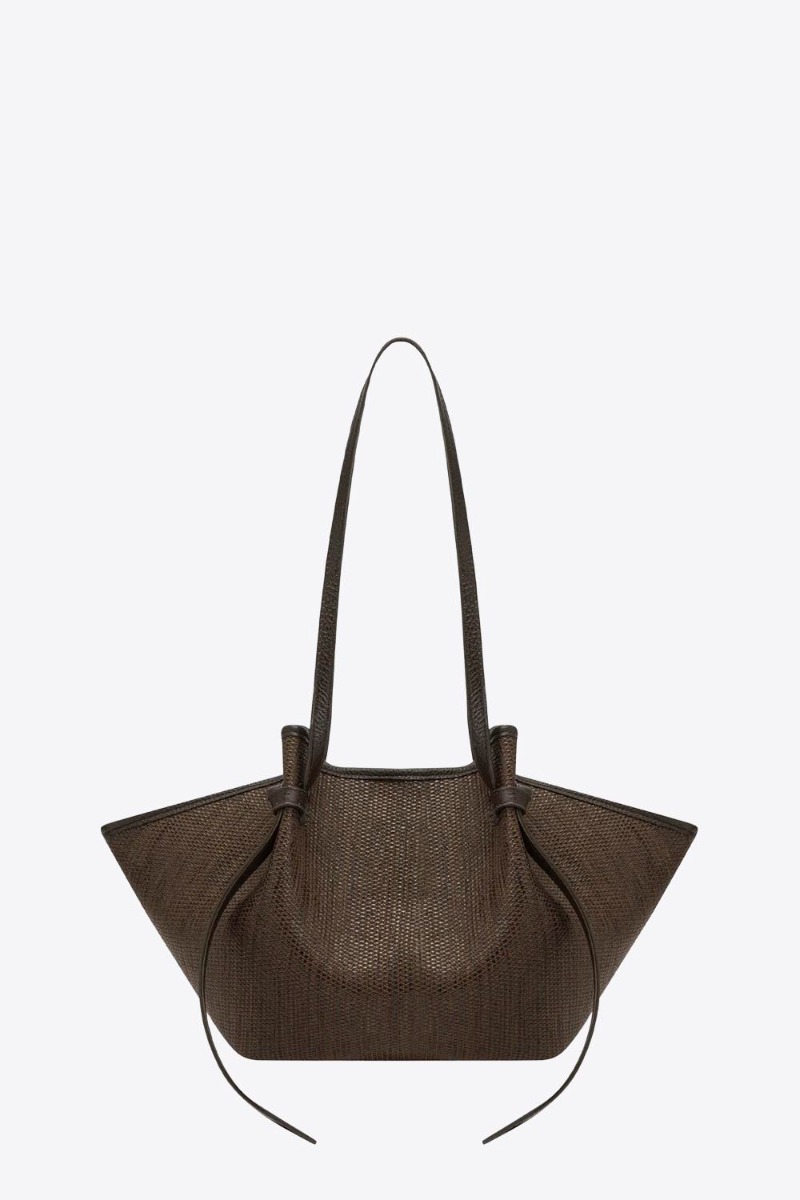
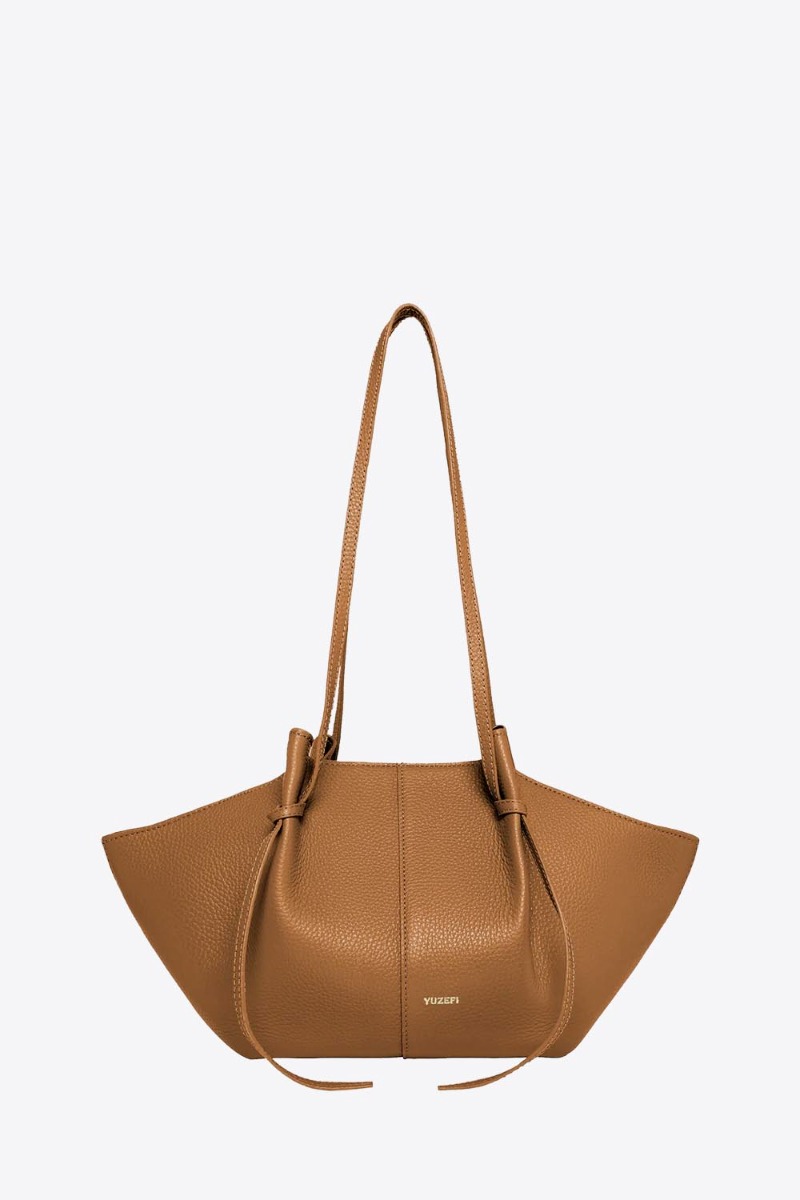
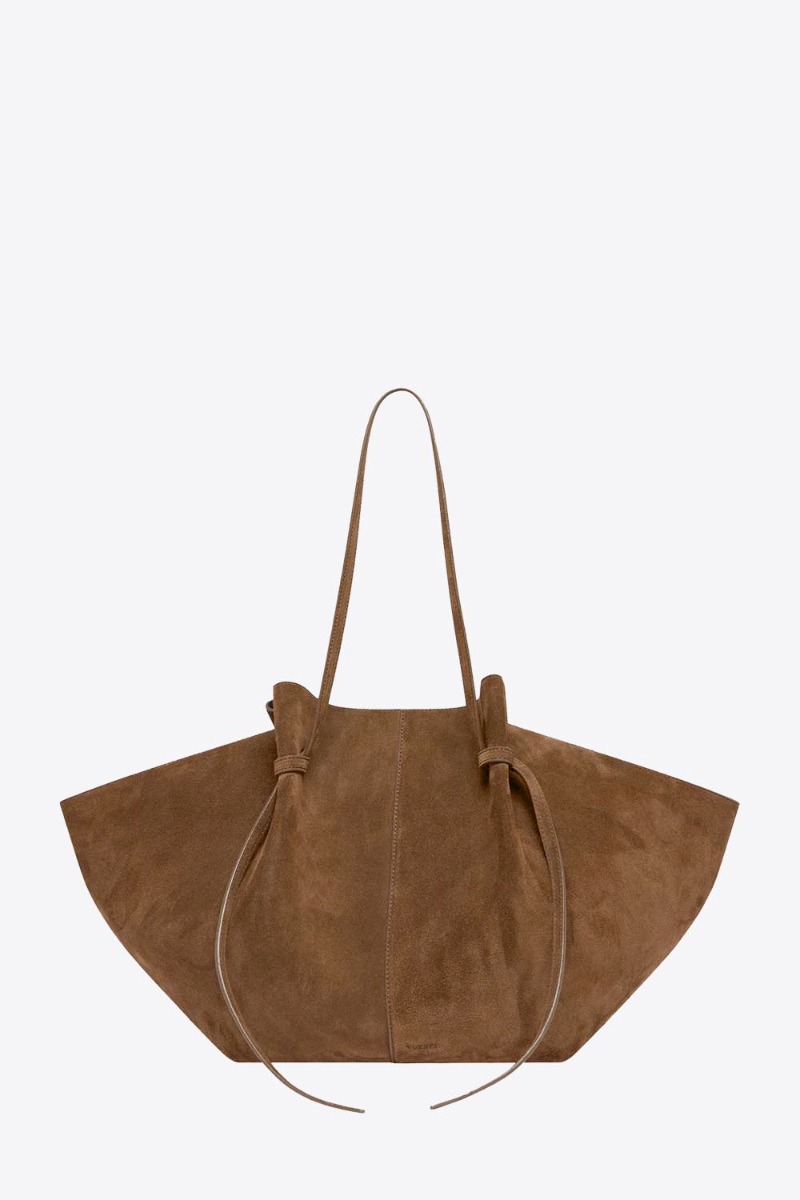
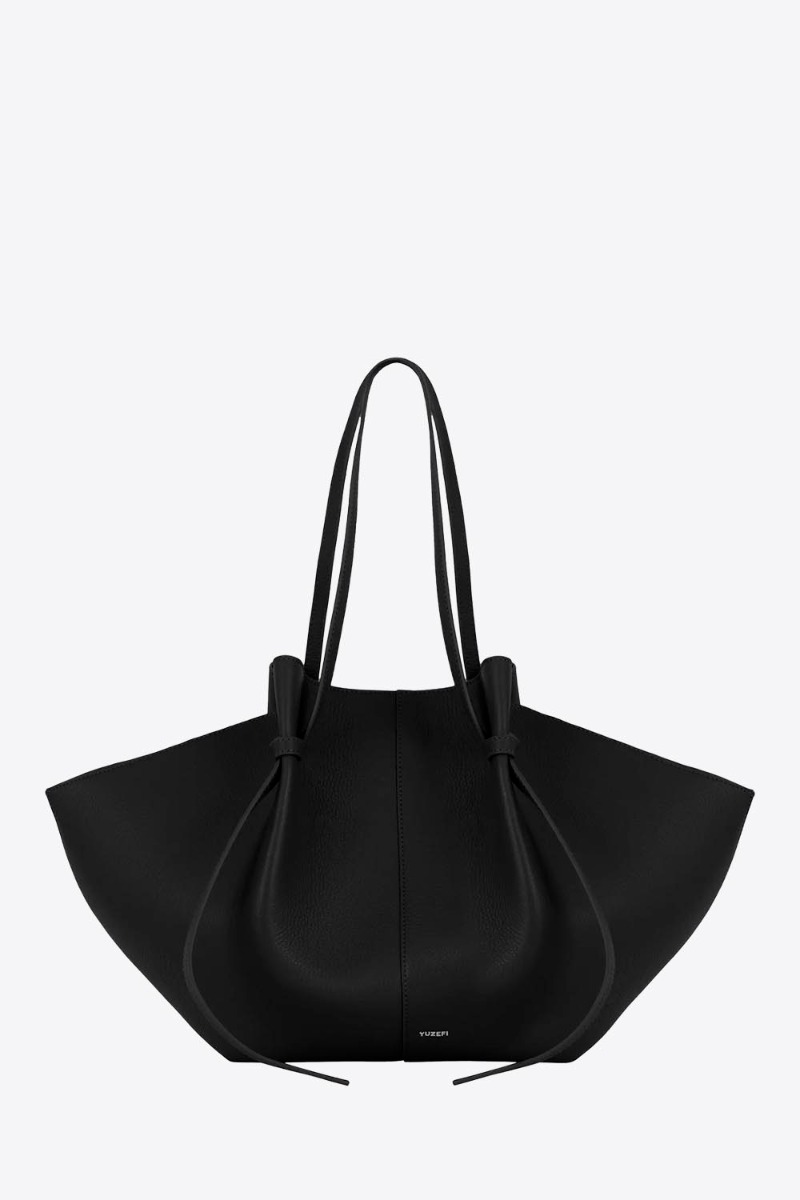
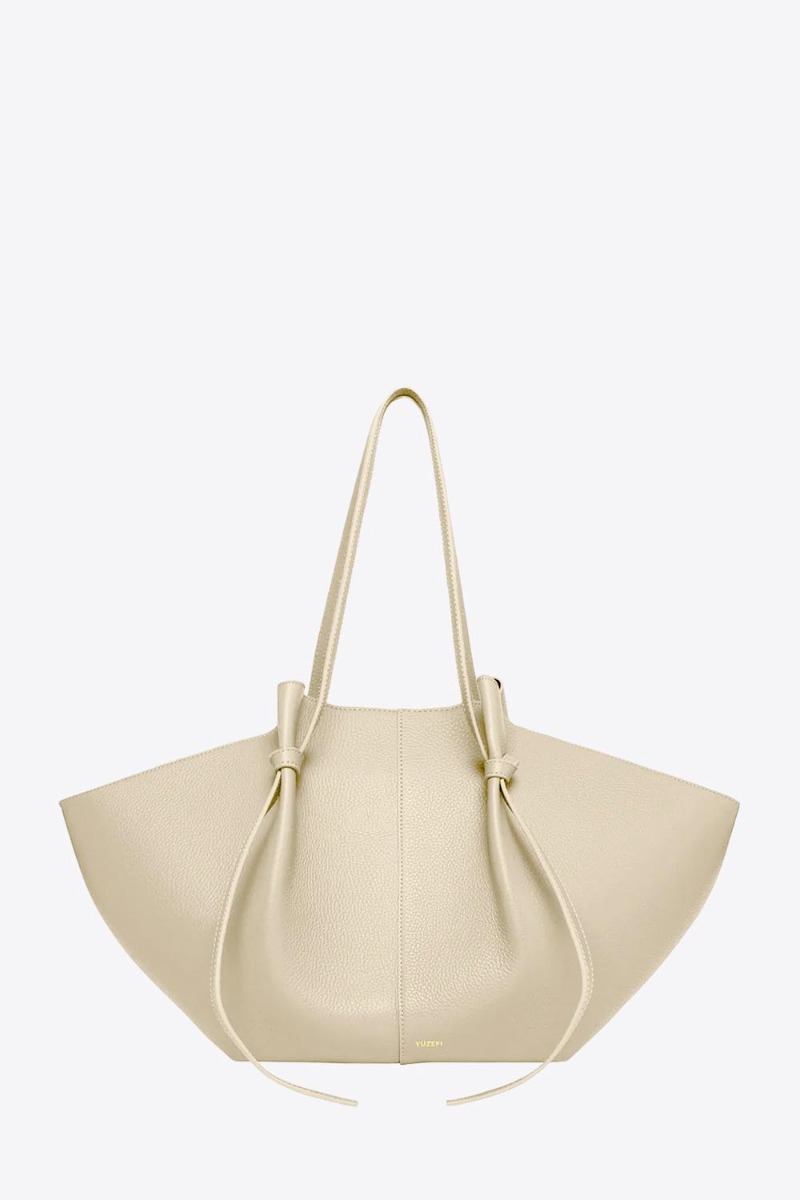
Her sculptural bags, crafted from exceptionally soft leathers and finished with oversized hardware, quickly found their following. The Mochi Bag, her timeless knotted bestseller, has become one of those rare it-bags instantly recognizable without ever needing to be named. Bold silhouettes, unexpected colour palettes, and surprising details define the brand’s aesthetic, an approachable form of luxury designed to last far beyond a single season.
We sat down with her to talk about creativity, intuition, and building a brand with a distinctive point of view.
Iran is instinct. It’s poetry, symbolism, sensuality, and a deep respect for craft and storytelling. There’s a richness and emotional depth that sits quite naturally in how I think about design.
London is where that instinct gets sharpened. It’s fast, irreverent, diverse, and has that very British ability to not take itself too seriously. There’s a dry, playful humour here that I think seeps into the work, even when the design is quite considered.
The balance is important. If it leans too far one way, it can feel either overly serious or too undone. The tension between the two is where it works.
It wasn’t a clear plan, but the instinct was always there. I grew up watching my mum make all my clothes, and I loved that process. There was something quite magical about imagining something and then seeing it come to life.
That definitely shaped me. It made me want to create what I wanted to wear rather than go out and find it. It wasn’t about fashion as an industry, it was more about creative independence and imagination.
It’s quite instinctive. I’ve always been drawn to softness, tactility, and objects that feel comforting and familiar.
I often think about leather almost like dough, something you can shape, twist, and work with until it feels right. I like the idea that everyday objects can have soul and personality, not just function.
The names reflect that. They bring in a sense of warmth and a bit of humour. It stops things from feeling too serious.
I didn’t know. You never really do. What I did want was to create a very simple but clever twist on a classic tote. The knots took a long time, I drew them in so many different ways until it finally clicked. That moment felt very satisfying, like solving something.
I sometimes wonder if the person discovering the bag feels a bit of that too, like they’ve figured something out. That’s what makes it special to me.
It’s usually a feeling first. Then it becomes a kind of puzzle.
I love designing mechanisms and small, clever solutions that give the wearer a sense of discovery. Every bag should have a purpose, but also a personality. I appreciate quiet luxury, but I think people want more than that now. Something that feels unique and a bit personal, without being loud for the sake of it.
I don’t design for one type of person. Good design should speak to many.
Versatility and novelty are always in tension, and finding that balance is actually very difficult. You want something that feels fresh, but also something people can live with over time. That’s the challenge I’m always trying to solve.
Lately, it’s been the process of revisiting our own designs. Looking at pieces that are still performing well and trying to imagine them a few years, or even decades, ahead. It’s quite a mind-bending exercise, but it gives you perspective. You start to understand what might actually last.
This might sound a bit cliché, but I’ve never been to Tokyo and I’d love to go. I’d spend the day exploring, especially vintage shops, just observing details, materials, and how people put things together. That kind of quiet observation is usually where ideas start.
My iPad. I do all my designs on it. It’s where everything starts, so it’s quite essential.
I’d love it to have more physical touchpoints with people. Spaces where customers can really experience the brand in a personal and emotional way, not just see the product. I want people to feel immersed in the world, to connect with the creativity and craftsmanship in a way that feels genuine and lasting.
Comments are closed here.